
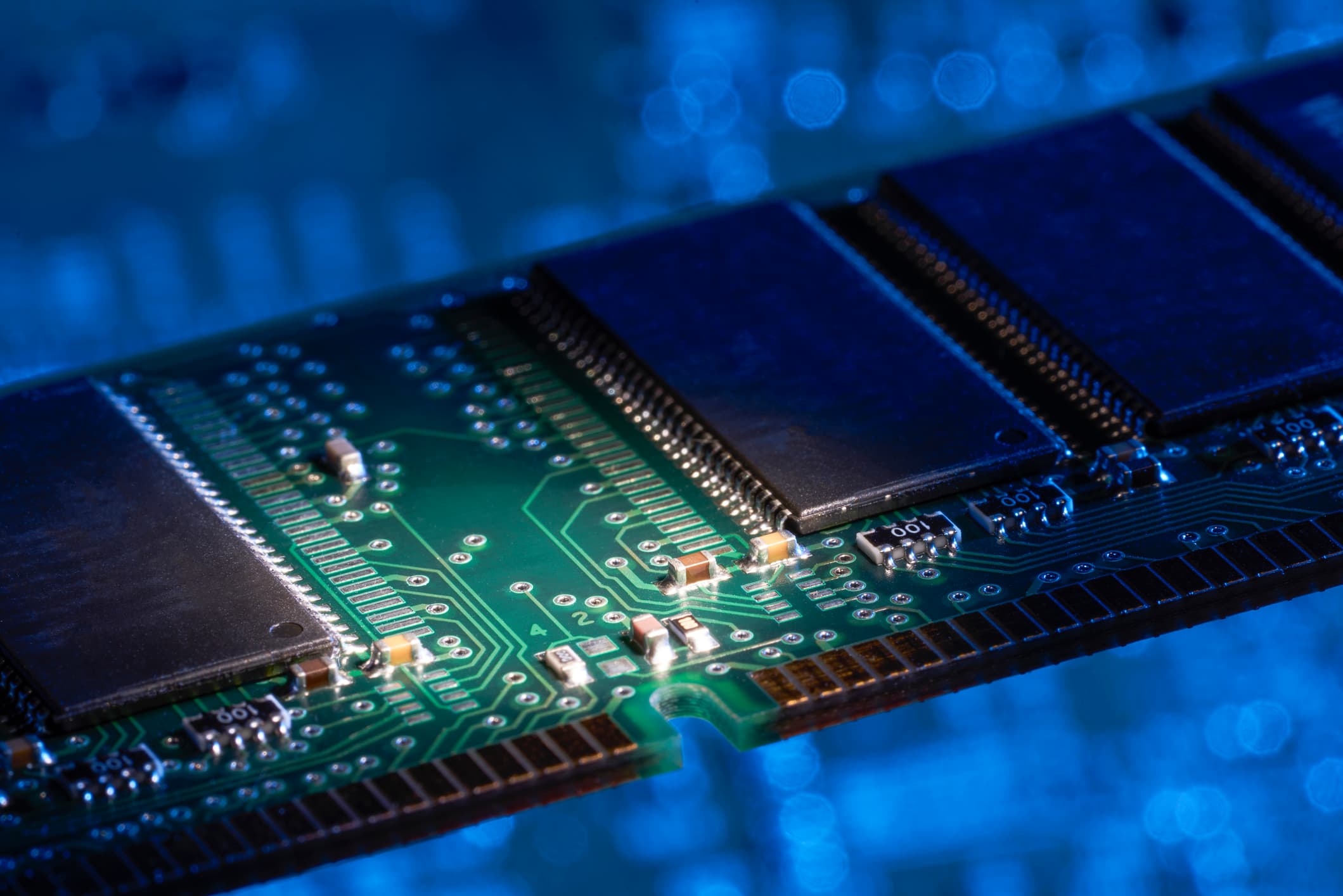
The technology hardware market is entering a new pricing phase, one driven less by short-term cycles and more by structural shifts in how memory, compute, and silicon capacity are allocated. RAM, GPUs, storage, and adjacent components no longer behave like interchangeable commodities.
Several outlets and market trackers are pointing to capacity shifting toward AI-oriented memory and infrastructure, with knock-on effects for PC and server markets (Bloomberg, Feb. 2026; S&P Global Market Intelligence / Visible Alpha, Jan. 2026; CNBC, Jan. 2026; TrendForce, Jan. 2026).
What’s driving the increases (and why it shows up everywhere)
DRAM and high-bandwidth memory (HBM) have become strategic bottlenecks. AI workloads consume significantly more memory per system, and manufacturers are allocating production capacity toward HBM and server‑class memory where returns are highest (3-5x versus end user devices). That leaves less supply and less pricing flexibility for traditional PC and enterprise configurations.
When manufacturers prioritize HBM and higher-margin server products, the supply and pricing environment for conventional DRAM can tighten too (S&P Global Market Intelligence / Visible Alpha, Jan. 28, 2026).
One widely cited data point: CNBC, citing TrendForce, reported expectations for average DRAM prices to rise roughly 50 to 55% in the quarter versus late 2025 levels (CNBC, Jan. 10, 2026).
What this looks like in procurement reality
Pricing volatility on memory and will create more frequent repricing between quote and shipment
Shorter quote validity windows that don’t match slow approval cycles
Potential for fewer available SKUs or forced substitutions when parts are constrained
GPUs don’t just affect AI clusters; they influence shared supply chains
Even if you are not buying AI accelerators, AI datacenter buildouts can consume adjacent inputs like memory, storage, and packaging capacity, which can translate into fewer SKUs and more repricing for everyday enterprise configurations (Bloomberg, Feb. 15, 2026).
Who is most exposed (and why it’s easy to miss in normal budgeting)
You are most exposed if you have overlapping needs across endpoints and infrastructure for example, a Windows refresh, plus VDI expansion, plus a server/storage refresh in the same 12–18 months. That concentrates spend into the same constrained component markets.
The challenge is visibility: component pressure rarely arrives as a single obvious line-item. It tends to surface through commercial “signals” that procurement and IT both feel, such as:
Configuration premiums (memory/storage steps costing more than last quarter)
“Same price, lower spec” offers (default configurations quietly shifting)
Shorter quote validity and weaker price protection
Allocation/lead-time surprises on “standard” SKUs
CRN has documented OEM list price changes and discounting adjustments linked to rising memory costs, including quote windows as short as 14 days in some cases (CRN, March 12, 2026).
The cost of inaction: deferring without a plan can lock in higher total spend
Delaying purchases can be rational, but delaying without a sourcing plan can backfire when component costs rise faster than your refresh calendar. The risk is not only higher unit prices, but compressed deployments and higher support costs from running aging assets longer.
Gartner has projected a sharp rise in combined DRAM and SSD prices through 2026 and warned of downstream impacts such as higher device prices and longer lifecycles (Gartner press release, Feb. 26, 2026).
The goal isn’t to rush purchases; it’s to avoid accidental exposure.
Why this is no longer a “devices” problem or a “datacenter” problem
Many organizations still source endpoints and infrastructure as separate motions with different owners and cadences. In a tight component environment, that separation creates blind spots.
Because laptops, servers, and storage share constrained inputs (especially memory and flash), a lightweight portfolio view helps. It lets procurement and IT align timing, define which configurations can flex, and avoid buying decisions that trigger rework when quotes change.
In this market, “buying with intent” means pairing technical requirements with commercial guardrails—before you go to market.
Supplier pricing signals are already showing up in contracts and quotes
Shorter quote windows and more repricing language (CRN reported some OEM quote validity as short as 14 days in cases tied to memory costs; March 12, 2026)
Multi-quarter price pressure signals from market trackers (CNBC/TrendForce; S&P Global Market Intelligence / Visible Alpha)
A practical playbook for procurement and IT (next 60–120 days)
1) Map exposure before you go to market
Identify where memory and storage choices change unit cost (RAM tiers, SSD class/capacity). Lock “must-have” specs and a small set of approved alternates so you are not re-approving builds every time a quote refreshes.
2) Make quote validity and price protection a process, not a surprise
Short quote windows mean slow approvals cost money. Use pre-approved standard configs, faster routing, and clear language on what can change between quote, order, and shipment.
3) Reduce single-SKU risk
Keep standardization, but qualify 1–2 alternates per category (models, memory tiers, SSD capacities). This reduces allocation risk without reopening security baselines under pressure.
4) Align timing and ask vendors the right questions
Run a quarterly checkpoint across procurement, EUC, infrastructure, and finance. In RFPs/QBRs, ask which components are driving volatility in your configs, what allocation risk looks like by SKU, and what commercial protections are available.
The bottom line for procurement and IT leaders
Memory, storage, and AI-driven supply dynamics can raise costs across endpoints and infrastructure. In practice, the impact shows up through configuration premiums, shorter quote windows, repricing language, and allocation pressure right when a project is ready to buy.
Teams that manage this well do not simply “buy early.” They clarify which specs are non-negotiable, build alternates, and use sourcing and contract terms to reduce surprises.
Want a quick reality check on an upcoming refresh or infrastructure buy? CoreTrust can help you assess exposure (configs, timing, and vendor terms) and identify options to protect budget and delivery. Share your timeline and target builds, and we will help you pressure-test what is achievable in today’s market.
Sources (public)
Bloomberg (Feb. 15, 2026): “Rampant AI Demand for Memory Is Fueling a Growing Chip Crisis.”
CNBC (Jan. 10, 2026): “AI memory is sold out, causing an unprecedented surge in prices.” (cites TrendForce forecast).
S&P Global Market Intelligence / Visible Alpha (Jan. 28, 2026): “Industry outlook: AI memory boom squeezes legacy DRAM supply, pushing prices higher.”
TrendForce (Jan. 5, 2026): “Memory Makers Prioritize Server Applications, Driving Across-the-Board Price Increases in 1Q26.”
CRN (March 12, 2026): “6 Solution Provider Execs On The Impact Of Rising Memory Prices.”
Gartner (Feb. 26, 2026): “Gartner Says Surging Memory Costs Will Reduce Global PC and Smartphone Shipments in 2026.”